Welcome to the The Hot Seat.
Every month we will feature a filmmaker who is redefining West Coast filmmaking. It's time we start shining that ever elusive spotlight onto those in our community who are at the forefront of the BC Indie Revolution.
Each featured filmmaker will answer the same 10 questions, giving insight into their minds, inspirations, aspirations and dreams. The first five questions are rapid fire. Quick. Juicy. Intriguing. The last 5 are more profound, insightful, all about filmmaking.
This month, we're inviting the visionary producer Sara Wylie to brave the Hot Seat. Let's dive in!
Sara Wylie (she/they) is a filmmaker, producer and researcher from the unceded traditional territories of the Musqueam, Squamish and Tsleil-Waututh First Nations (aka Vancouver, BC). Her work focuses on archives and counter-archives, radical histories, disabled ecologies and crip intimacies.
As a director, Sara’s award-winning short documentary and experimental films have screened at film festivals around the world. Her most recent short, Resistance Meditation, has screened at numerous festivals including the Ann Arbour Film Festival, Alchemy Film Festival, Vancouver International Film Festival, Film Diary NYC and Festival Tous Courts, where it won the Best Experimental Short Award. She graduated with distinction from Toronto Metropolitan University’s Documentary Media MFA Program and her projects have been supported by Field of Vision’s IF/THEN Shorts, Canada Council for the Arts, BC Arts Council, Ontario Arts Council, Toronto Arts Council and SSHRC.
As a producer, Sara has worked on award-winning short and feature films, most recently producing Sophy Romvari’s lauded debut Blue Heron, premiering at the Locarno Film Festival and distributed by Janus Films and Blue Fox Entertainment.
Hi Sara!
1. What is the first film you can remember having an effect on you?
I grew up going to the cinema regularly with my mom – she really sparked my love for movies. Our preferred genre back then was romantic comedies. But I’d say one of the first films that really impacted me and made me think I could be a filmmaker was Kirsten Johnson’s Cameraperson. That film opened up cinema for me in such a profound way – I didn’t know you could make movies like that.
2. If you could work with one filmmaker, dead or alive, who would it be?
Impossible to choose between Chantal Akerman and Agnès Varda.
3. If you could remake any film, what would it be and what would you change?
I don’t think I would! If it ain’t broke, etc.
4. What is your biggest passion outside of being a filmmaker?
Disability justice. Too many disabled people in Canada live in mandated poverty. Social assistance for disabled people is absolutely meagre – definitely not enough to cover rent in Vancouver – and there are limits on earning income that keep people far below the poverty line.
As a disabled person, I’m also very passionate about making the film industry more accessible and inclusive for disabled film workers. I think accessibility frameworks built on the principles of disability justice benefit everyone in this demanding industry, including able-bodied workers.
5. What are you working on now?
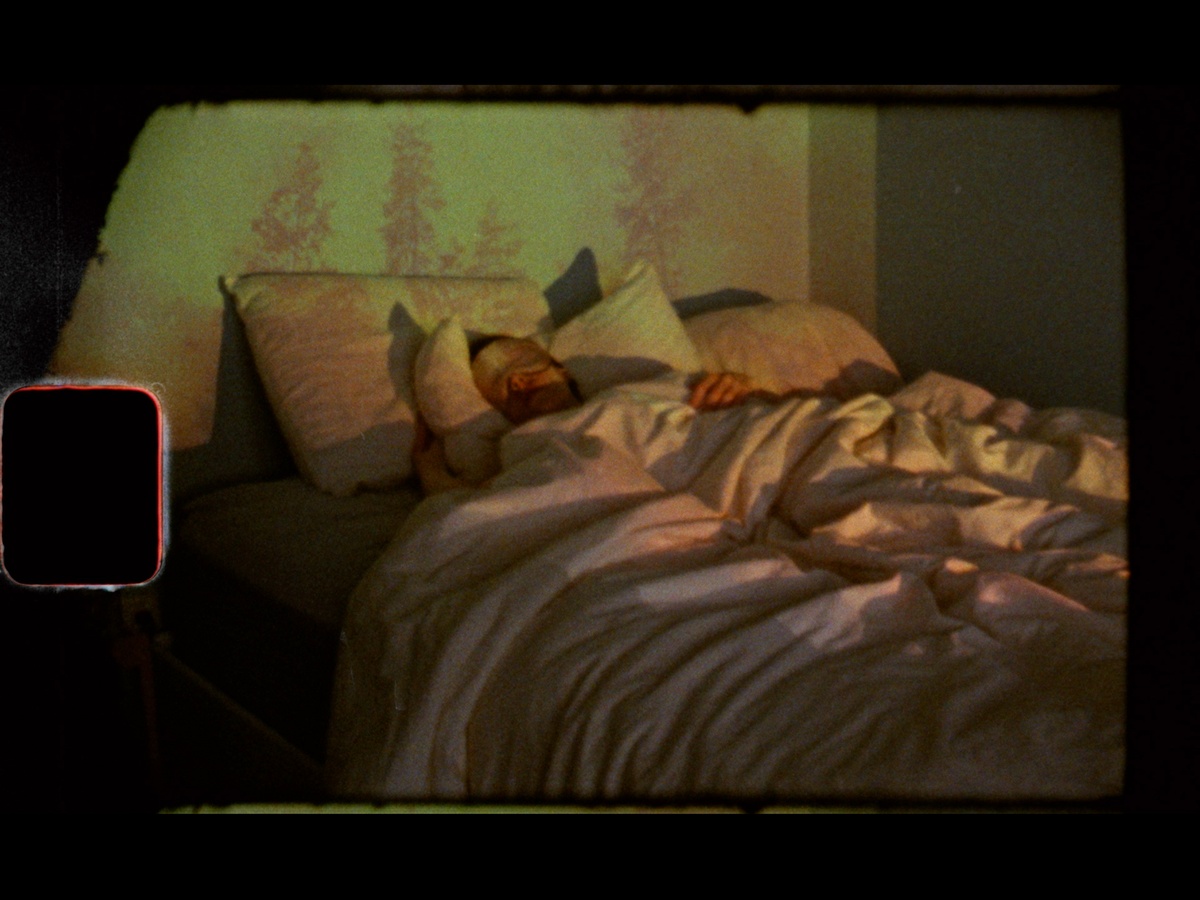 Resistance Meditation (2024)
I’m completing a short experimental film I directed with my aunt about a shared illness and the mysterious nature of healing. The film was shot working on ‘crip time’ – paced and filmed with intention and using eco-processing methods to develop the celluloid film.
6. Creatively, what inspires you to continue your journey in filmmaking?
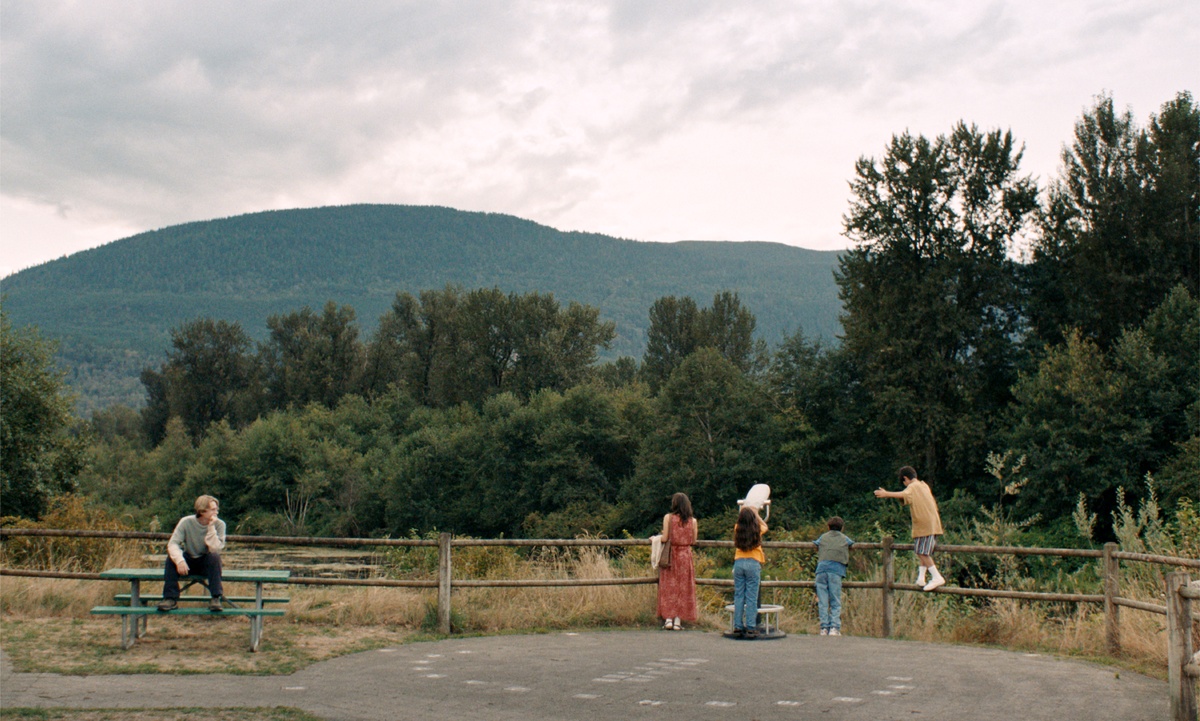 Blue Heron - Still
I’m inspired by our incredibly talented local film and arts community who continue to produce exceptional artistic work and support each other endlessly in this increasingly oppressive and expensive city.
Also by seeing other disabled artists – who despite illness, pain, poverty, and infinite barriers in an industry and world that does not consider their needs – continue to pursue their practice and make truly beautiful work. A few artworks that have inspired me lately: Shared Resources by Jordan Lord, Compensation by Zeinabu Irene Davis, How to Tell When We Will Die by Johanna Hedva.
7. Who are your frequent collaborators and what do they bring to your projects?
I feel so lucky to be friends with and collaborate regularly with a community of artists and film workers whom I respect and admire. I recently produced by good friend Sophy Romvari’s directorial debut, Blue Heron, with a truly stand out crew: Maya Bankovic, Victoria Furuya, Maria Katarina, Regina Gunapranata, Colin Williscroft, Jessica Johnson, Ryan Ermacora… just to name a few! It was such a uniquely meaningful experience working on such a special project with friends who are truly at the top of their craft.
Jessica Johnson also edited the short film I am currently completing and she’s been an immense guiding light for the shape of that project. I am the biggest fan of her and Ryan’s shared filmography, their aesthetic sensibility and the dedicated way they approach every project. I’m also working with local musician Scott Gailey (aka Hotspring) on the score and sound design – he’s a wildly talented person who has also worked with Ryan and Jess.
I also must shout out local experimental film collective, Xinema, and particularly Sid Gordon, who helped me make my short eco-processed experimental film Resistance Meditation. I love all the programming Xinema does, from the experimental films and filmmakers they bring in that otherwise I’d never know of or meet, to the workshops I’ve attended to learn more about working with celluloid film. They are such an incredible resource that we are so lucky to have in the city. We are currently collaborating on a curating a crip time-themed program, hopefully that will be happening in the Fall.
8. What is the most rewarding part about being a BC filmmaker? What is the most challenging?
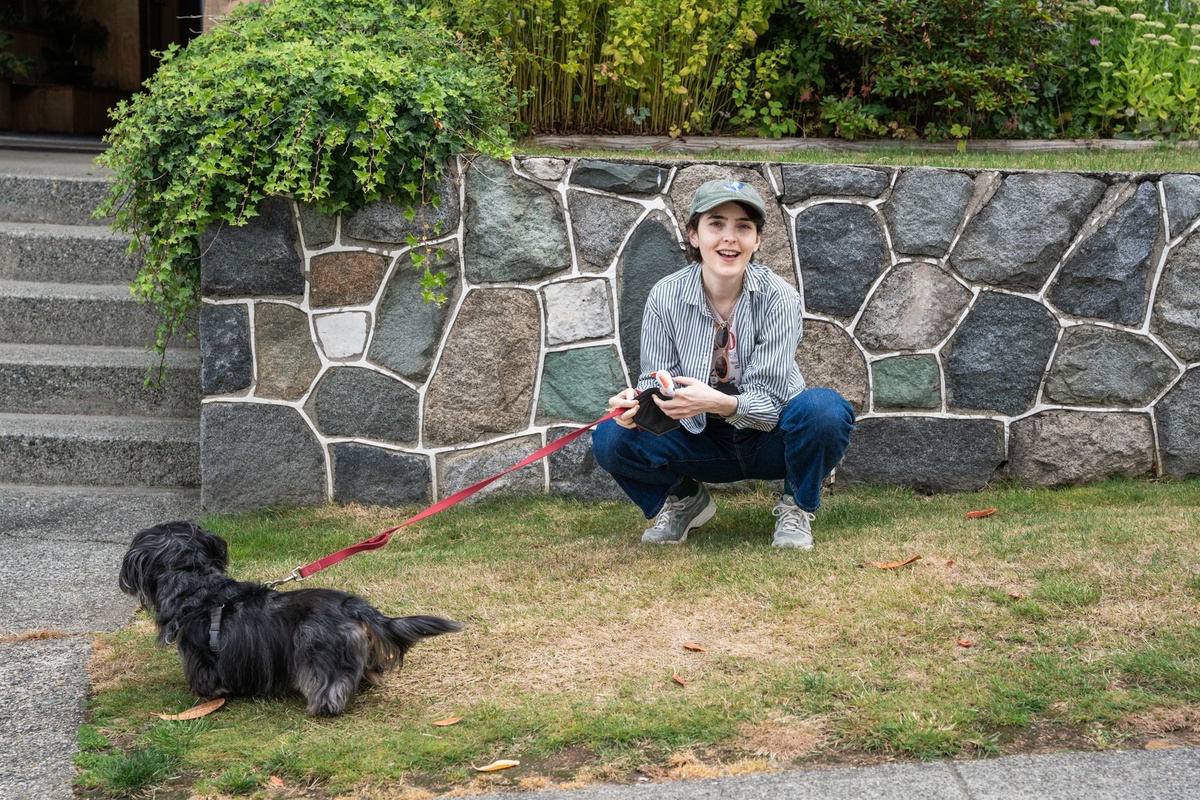 Blue Heron Still - Credit Felix Rapp
The most rewarding aspect is the exceptionally supportive, generous and talented film community we have here. There are so many people I didn’t list above who are good friends who support me and my work in different ways (from lending me gear to walking my dog when I’m too sick to) and hopefully feel supported by me too. It’s so meaningful to watch each other make work, grow as artists, and do it in a way that contributes to a collective artistic sensibility of this region.
The most challenging part is absolutely the cost of living and the crushing neoliberal government policies that drive up rent prices, shut down art venues and push artists out. Seeing what’s happening in NYC is very exciting though… It makes me very hopeful we can kick crypto-bro Ken Sim to the curb in the upcoming municipal election and start electing people like Sean Orr who actually care about artists and want to see the arts community thrive.
9. As a filmmaker, how do you measure success?
What feels the most rewarding to me is to be surrounded by artists and filmmakers who I respect and admire, making work that connects with people and being part of a community that supports each other and also stands up for each other to make working conditions more accessible and fair. I think things are only going to get harder unless we can stand in solidarity with each other, fight for better qualities of life for one other, and try our hardest to create an environment where we all get to thrive and make art (not just the richest of us).
To ensure the success of filmmakers from diverse backgrounds, we need to build structures that foster collaboration rather than competition over scarce resources. For example, why don’t we have more models like a filmmakers cooperative? An equitable structure where we could share equipment, space and skills to foster a more inclusive and diverse community of artists. I really think now is the time to start reimagining the ways in which we work together in order to make it more sustainable for us all.